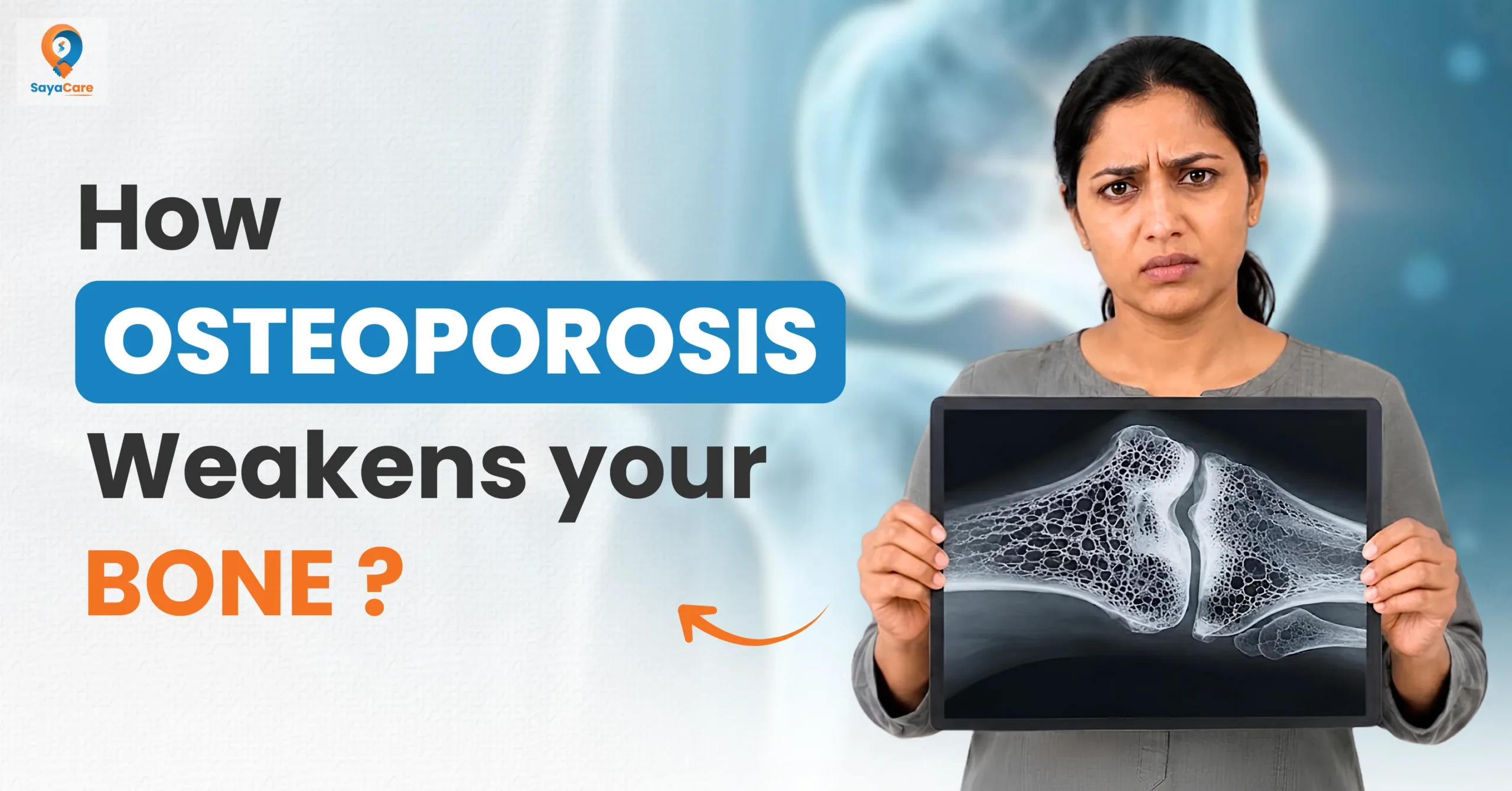
Osteoporosis has become very common in a country like India, where sunlight is available for most of the year and is the main source of vitamin D, except during the monsoon season. Despite this natural advantage, a large number of people still suffer from vitamin D deficiency, which directly affects bone health.
Over time, this deficiency leads to loss of bone mineral density, making bones weak, fragile, and more prone to fractures. The problem often develops silently and is noticed only when serious damage has already occurred.
In this blog, we will understand what osteoporosis is, why it happens, who is at higher risk, and what simple steps you can take to prevent it and reduce bone mineral loss.
Table of Contents
What is Osteoporosis?
To understand osteoporosis better, let’s first look at what the word actually means. It is made up of three Greek terms. “Osteo” means bone, “poro” means pores or small holes, and “osis” refers to a condition.
Put together, osteoporosis is a condition in which the bones develop many tiny holes. Because of these holes, the bones become weak and lose their strength over time. This makes them more fragile and easier to break.
What are the Causes of Osteoporosis and Who is Affected the Most?
One of the main reasons of osteoporosis is a deficiency of vitamin D. When the body does not get enough vitamin D, a hormone called the parathyroid hormone becomes more active. This hormone starts pulling calcium out from the bones, which gradually makes them weak and fragile.
The chances of developing osteoporosis depends on the following factors:
1. Environment
Environmental conditions play an important role in the formation of vitamin D. Factors such as the area you live in, the season, time of day, cloud cover, pollution, and the UV index can all affect how much vitamin D your body produces.
2. Age
As a person gets older, the risk of osteoporosis increases.
3. Women
Women generally have lower bone mass compared to men. Bone mass builds up in the early years, reaches its peak around the 30s, and then slowly starts to decline over time.
4. Ethnicity
Osteoporosis is more commonly seen in Asian women.
5. Rural Areas
There was a common belief that people living in urban areas are more prone to osteoporosis. However, recent study suggests that people living in rural areas are but according to arecent study people living in rural areas may be actually at higher risk.
6. Personal Factors
Things like clothing choices, skin pigmentation, age, and the use of sunscreen can also influence how much vitamin D the body is able to produce.
What is the Cure for Osteoporosis?
At present, there is no complete cure for osteoporosis. However, there are several steps you can take to prevent it or slow down the weakening of bones. These small habits can make a big difference over time:
1. Sunlight
Sunlight is one of the most natural sources of vitamin D. Exposing around 12-18% of your body to sunlight, without sunscreen for about 30-45 min can provide Vitamin D similar to a 600-1000 IU supplement. In India best time for synthesis of vitamin D is usually between 10-11 am to 1-2 pm.
2. Foods Rich in Vitamin D
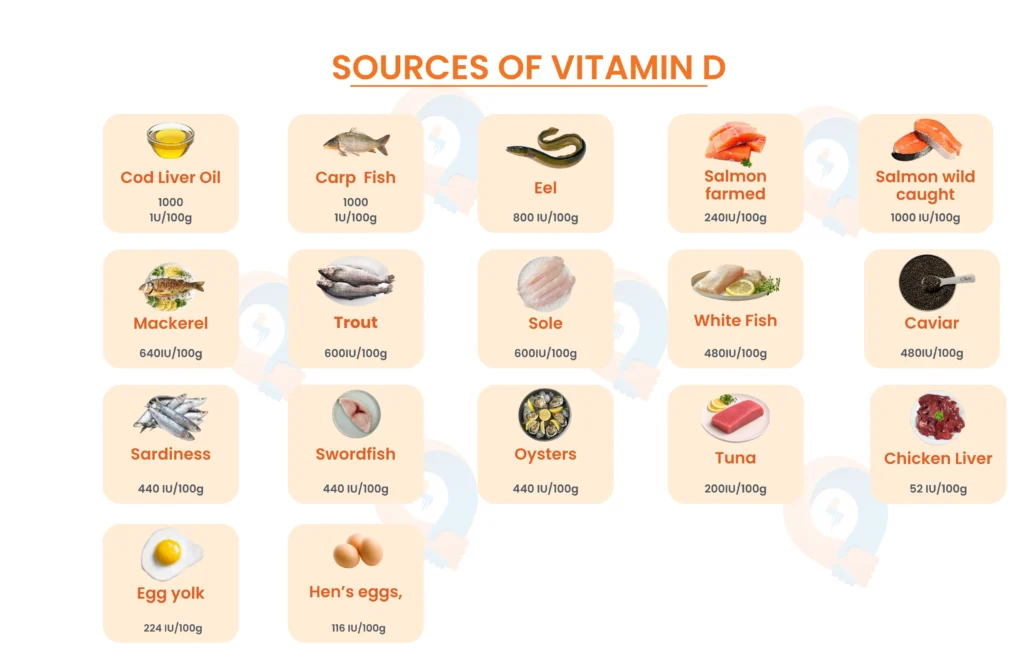
Some foods naturally contain vitamin D or help your body maintain its levels. These include salmon, mackerel, sardines, tuna, egg yolk, and mushrooms, especially when they are exposed to sunlight or UV radiation.
3. Foods Rich in Calcium
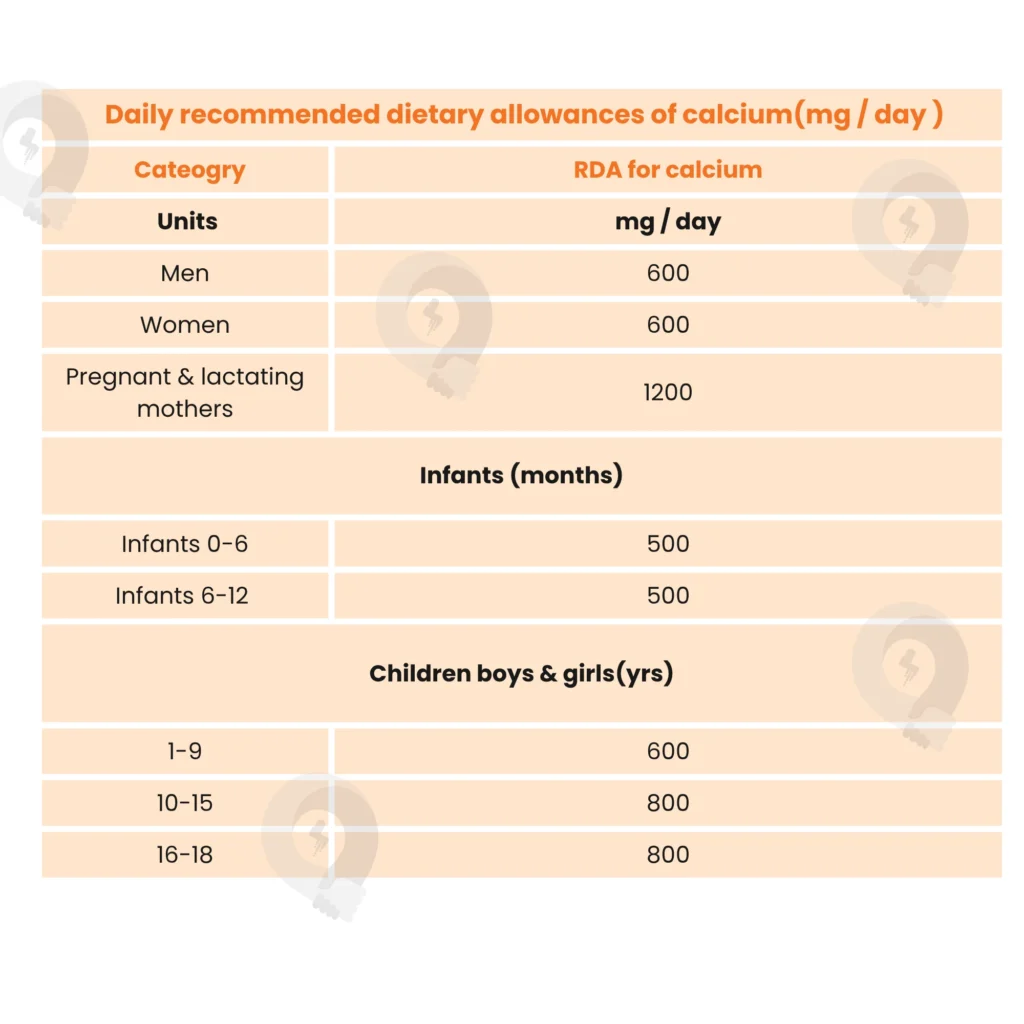
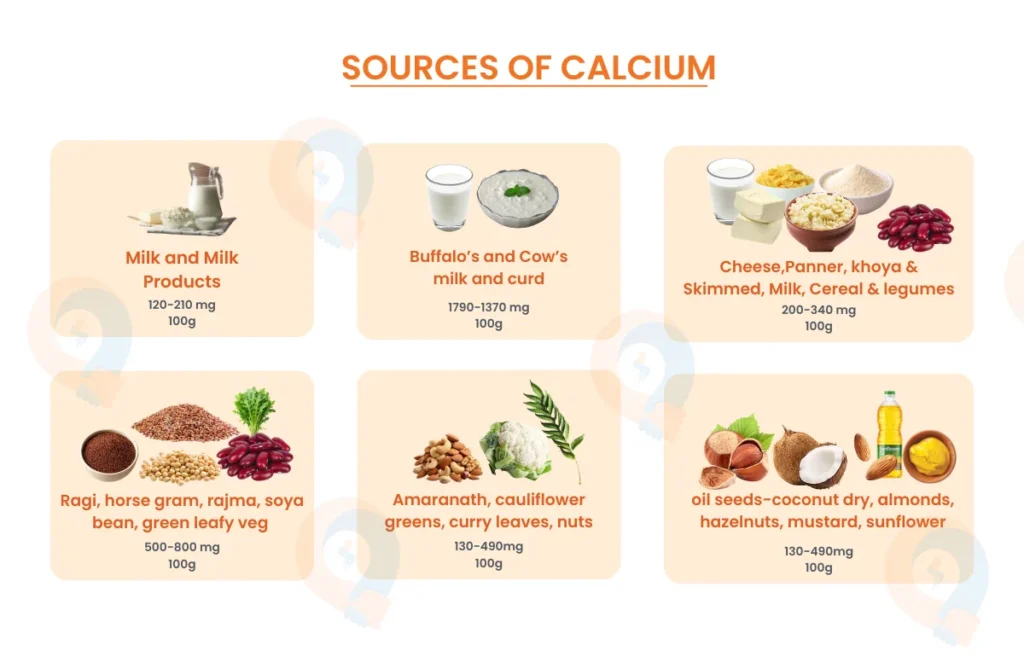
Calcium is essential for maintaining strong bones. Good sources include fish like salmon, mackerel, sardines, and tuna, along with egg yolk and mushrooms exposed to sunlight. Dairy products such as milk, cheese, paneer, and khoa are also rich in calcium. Other options include cereals, legumes, ragi, horse gram, rajma, soybeans, and green leafy vegetables like amaranth, cauliflower, and curry leaves.
4. Supplements
Supplements should be taken only after a blood test to understand your body’s actual requirements. At present, nearly 60-70% of the dietary supplement market in India is contaminated. Because of this, it is important to choose supplements that are properly tested, effective, and do not add any extra burden to your health. Such double-tested and reliable supplements are provided only by SayaCare. You can explore our bone health supplement category, which is tested for quality and offers savings of up to 80%.
Conclusion
India is a sun-drenched country, yet a large part of the population is still deficient in vitamin D. One of the main reasons for this is that people tend to avoid sun exposure. In reality, exposing just 12 to 18% of your body to sunlight for about 30 to 45 minutes a day can help correct this deficiency. If you are already deficient in vitamin D, you can follow three simple steps: get regular sunlight exposure, include vitamin D and calcium-rich foods in your diet or calcium sources if you are vegetarian, and take double-tested vitamin D supplements from SayaCare.
FAQ’s
1. Can Osteoporosis be reversed?
Osteoporosis is a chronic bone disease and is difficult to fully reverse. However, it can be managed effectively with regular sunlight exposure, a diet rich in vitamin D and calcium, and the use of properly tested supplements.
2. What is the classification of Osteoporosis?
Osteoporosis is of following types:
Primary Osteoporosis: This is the most common form of osteoporosis and is usually seen with increasing age or after menopause.
Type I (Postmenopausal osteoporosis)- Occurs in women after menopause due to hormonal changes.
Type II (Senile Osteoporosis)- Occurs as a part of the natural aging process.
Secondary Osteoporosis: This type is not directly related to age, gender, or menopause. It develops due to certain medical conditions, diseases, or the use of specific medications.
Mahak Phartyal completed her bachelor's in pharmacy from Veer Madho Singh Bhandari Uttarakhand Technical University. She previously worked as a Medical Writer at Meril Life Sciences, where she wrote numerous scientific abstracts for conferences such as India Live 2024 and the European Society of Cardiology (ESC). During her college years, she developed a keen research interest and published an article titled “Preliminary Phytochemical Screening, Physicochemical and Fluorescence Analysis of Nyctanthes arbor-tristis and Syzygium cumini Leaves.”
Mahak Phartyal completed her bachelor’s in pharmacy from Veer Madho Singh Bhandari Uttarakhand Technical University. She previously worked as a Medical Writer at Meril Life Sciences, where she wrote numerous scientific abstracts for conferences such as India Live 2024 and the European Society of Cardiology (ESC). During her college years, she developed a keen research interest and published an article titled “Preliminary Phytochemical Screening, Physicochemical and Fluorescence Analysis of Nyctanthes arbor-tristis and Syzygium cumini Leaves.”