We have all struggled to keep our eyes open or focus after lunch and blamed the food. But the real reason is not just what you ate, it was what type of food you ate first. Scientific studies on humans suggest that carbohydrate rich food eaten at the start of meals is the main reason behind the post lunch sleepiness.
But changing your food order does more than just keeping the afternoon drowsiness away. It can actually lower your blood sugar levels, and that is where it becomes important for a much larger reason. Nearly 100 million people in India have diabetes [1] and nearly 136 million were prediabetic as of 2021 [2]. For this many people, a small change in the order they eat their food can make a meaningful difference, helping prediabetic people from progressing further and helping diabetic people manage their blood sugar better after every meal.
Table of Contents
What is the Food Sequence for Lowering Blood Sugar Level?
To reduce blood sugar level food should be consumed in the following is the sequence:
1. Fibers
Fibers should be consumed first, at least 10 minutes before carbohydrates [3], because fibers form a thick protective layer on the gut wall, which reduces the absorption of the other food items [4].
2. Protein
A protein rich diet reduces blood sugar level by 17%. This happens because GLP-1, a hormone released after eating protein rich food, slows down the digestive process. This leads to slower breakdown of food, reduced insulin secretion, and a lower blood glucose level [5].
3. Fats
Fats consumed before carbohydrates slow down gastric emptying, which is the rate at which food leaves the stomach. This limits how quickly glucose reaches the small intestine for absorption into the blood, resulting in a gentler rise in blood sugar after the meal [6].
4. Carbohydrates
When carbohydrates are digested, they break down into sugar, which raises the blood sugar level [7].
How Does Digestion Affect Blood Sugar?
We know carbohydrates is mainly responsible for raising blood sugar, but to understand how one need to understand what actually happens inside the body after a meal.
When we eat, for example, carbohydrates, the body breaks them down into glucose. Once glucose builds up in the bloodstream, the body immediately releases insulin, a hormone that moves glucose out of the blood and into the cells, where it gets used as energy.
In a healthy person, the body carefully regulates blood sugar levels after every meal. However, problems arise when a meal is rich in rapidly digested carbohydrates. Glucose enters the bloodstream very quickly, causing a sharp rise in blood sugar. Over time, repeated blood sugar spikes can make the body’s cells less responsive to insulin, increasing the risk of insulin resistance, prediabetes, and eventually type 2 diabetes [8].
This is where food order comes in. Fiber eaten first forms a gel like layer on the stomach wall, slowing down the digestion of whatever follows. When protein or fats are eaten next, they are broken down slowly, which leads to a greater and more sustained release of GLP-1, a hormone that creates a feeling of fullness and reduces the urge to eat. Together, this means glucose enters the bloodstream gradually instead of all at once, keeping blood sugar levels more stable and spikes less severe.
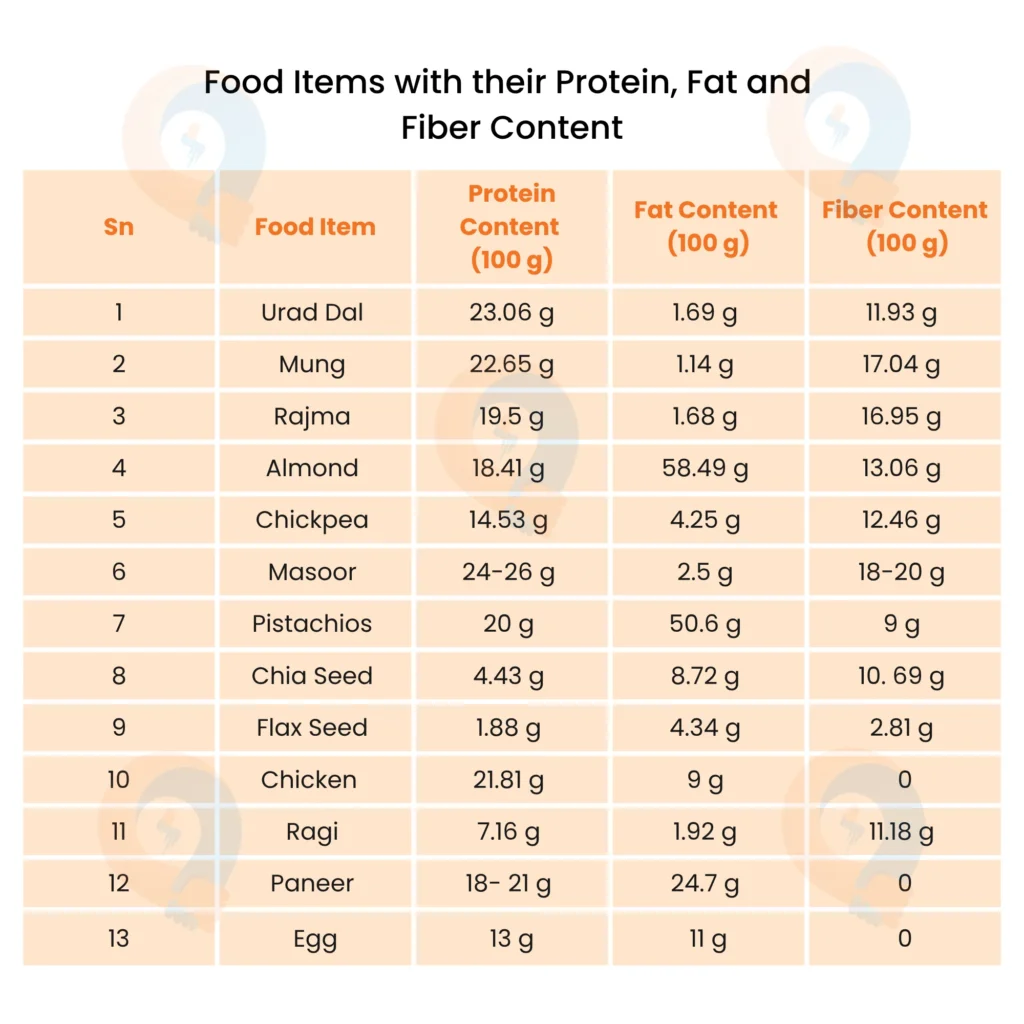
What are some High fibrous, Protein and Fat Indian Food?
Here’s is the list of some food items that are rich in fiber, protein and fat [9]
Benefits Beyond Blood Sugar Spike Reduction
As discussed in the previous sections, eating food in order does not only reduce blood sugar spikes, it also improves insulin sensitivity. Beyond that, there are several other benefits to eating food in a particular order, which are as follows:
1. Reduced Craving
Eating protein and fat early activates GLP-1, which keeps you feeling full for longer. This naturally reduces hunger and cravings, making it a valuable tool for weight management[10].
2. More Stable Energy, Mood and Cognition:
Eating carbs first can increase post meal fatigue, as it crashes energy levels, causes irritability, makes concentration difficult, and leads to a stronger hunger rebound a few hours later. Eating protein or fiber rich food first creates more stable energy and mood by flattening the glucose curve [11] .
3. Practical Tool to Include Higher GI food
For those who crave high carb foods like white rice, potatoes, or potato chips, eating them after protein and fibrous food means there won’t be a sudden sugar spike in the blood [12]
While the studies conducted on patients have mostly been short term, a change in food order has been shown to help in the long run by improving overall glycemic control, reducing the risk of prediabetes, and lowering the risk of diabetes related complications such as retinopathy, neuropathy, and nephropathy.
How to Apply This in Real Life
Understanding the science is one thing but implementing it by changing how you eat is another. Here’s how to put food order into practice without overhauling your entire diet.
The simple rule to remember is fiber first, then protein and fat, then carbs at last. If you can manage a 10 min gap after fiber before you start on carbs that even better but any gap is better than none.
On a typical Indian Thali
The good news we Indians already start the right way without even realising it. The salad or cucumber we eat is full of fibers
Start with salad
Eat a few spoons of dal, sabzi, paneer, curd or chicken in their own first, before you start mixing it with rice or roti
Once you do bring in rice or roti, keep the ratio veggie and protein heavy rather than a lot of carbs
At Breakfast
If you are eating carbohydrate rich food like poha, paratha or upma then pair it up with small bowl of curd or a handful of nuts and wat that at first, even a minute or two before you start on the main dish.
When Eating Out
When eating out, order salad first or a light soup give 10 mins of break before you eat main course.
For Snacks or Cravings
Craving chips, biscuits, or something sweet? Have a few almonds, a boiled egg, or some roasted chana first. It won’t stop the craving, but it will soften the blood sugar spike that follows.
If you follow these tips, you will experience a positive change in your blood sugar level.
The new generation is careful about what they eat, but they don’t have to worry about how food affects their blood sugar to still enjoy what they love. Simply changing the order in which they eat makes the difference. Fibers first, then protein and fats, then carbohydrates last, gives the body time to process glucose gradually instead of all at once, meaning fewer spikes, better insulin sensitivity, and steadier energy through the day. With legumes, nuts, dairy, fish, and lean meat already common in Indian diets, this is an easy shift for most people to make, whether managing diabetes or just aiming to feel steadier after meals.
Mahak Phartyal completed her bachelor's in pharmacy from Veer Madho Singh Bhandari Uttarakhand Technical University. She previously worked as a Medical Writer at Meril Life Sciences, where she wrote numerous scientific abstracts for conferences such as India Live 2024 and the European Society of Cardiology (ESC). During her college years, she developed a keen research interest and published an article titled “Preliminary Phytochemical Screening, Physicochemical and Fluorescence Analysis of Nyctanthes arbor-tristis and Syzygium cumini Leaves.”
Mahak Phartyal completed her bachelor’s in pharmacy from Veer Madho Singh Bhandari Uttarakhand Technical University. She previously worked as a Medical Writer at Meril Life Sciences, where she wrote numerous scientific abstracts for conferences such as India Live 2024 and the European Society of Cardiology (ESC). During her college years, she developed a keen research interest and published an article titled “Preliminary Phytochemical Screening, Physicochemical and Fluorescence Analysis of Nyctanthes arbor-tristis and Syzygium cumini Leaves.”












I want to know about proper diet plan in aday .proper diet chart 30-50 years old man women