The 2025 cough syrup tragedy, which claimed more than twenty three childrens lives, exposed serious gaps in Indias drug quality system. Despite new rules, advisories and updated testing methods, experts say these measures do not fully guarantee safety. Manufacturers warn of rising compliance costs, while labs say the impact on consumers will be small. The real issue is that unsafe medicines can still reach the market if rules are not enforced on the ground. This tragedy highlights why consumers must stay aware, question medicine quality and ask for test reports. Safe medicine should never depend on luck, and verified information is the only real protection until the system becomes stronger.
Category: SayaCare’s Research
North Indian winters were once crisp, clear, and pleasant. Today, stepping outside without a mask can feel unsafe. After spending more than a decade studying air pollution, from researching immune damage in college to building high efficiency purifiers for Indian homes, I have learned that choosing the right air purifier is not as simple as online reviews make it seem.
This guide condenses years of research, engineering, and personal experience into practical advice. You will learn what air pollution is, how different pollutants affect your health, how to calculate the right CADR for your room, and why many popular features including air purifying plants do not actually help. Whether you are buying a purifier or building one yourself, this blog will help you avoid common mistakes, understand what truly matters, and make your home safer this pollution season.

Ever wondered why some foods make you sleepy while others give you energy (Question mark) The answer lies in your blood sugar level and the key to understanding it is the Glycemic Index (GI). This blog explores how GI affects your body, reveals the GI of common Indian foods, and explains why knowing it can help you manage diabetes, weight, and overall health. From parathas to paneer, discover which foods keep your sugar steady and which send it soaring.
In early October 2025, India was shaken by reports of twenty-three child deaths in Madhya Pradesh and Rajasthan linked to contaminated cough syrups. This tragedy, the country’s sixth recorded case of diethylene glycol (DEG) poisoning, exposed deep failures in medical prescription, pharmaceutical manufacturing, and regulatory oversight.
Investigations revealed that untested and unsafe medicines, negligence in quality checks, and weak enforcement of drug standards turned a preventable error into another national disaster. From doctors prescribing banned formulations to manufacturers bypassing safety testing and regulators denying contamination, every level of accountability failed.
Every strip of medicine tells two stories: who made it, and who sold it. The first decides its quality, the second its price. In India, that quality is meant to be safeguarded by Good Manufacturing Practices (GMP). But behind the official stamps and certificates lies a fractured system—opaque, inconsistent, and often compromised.
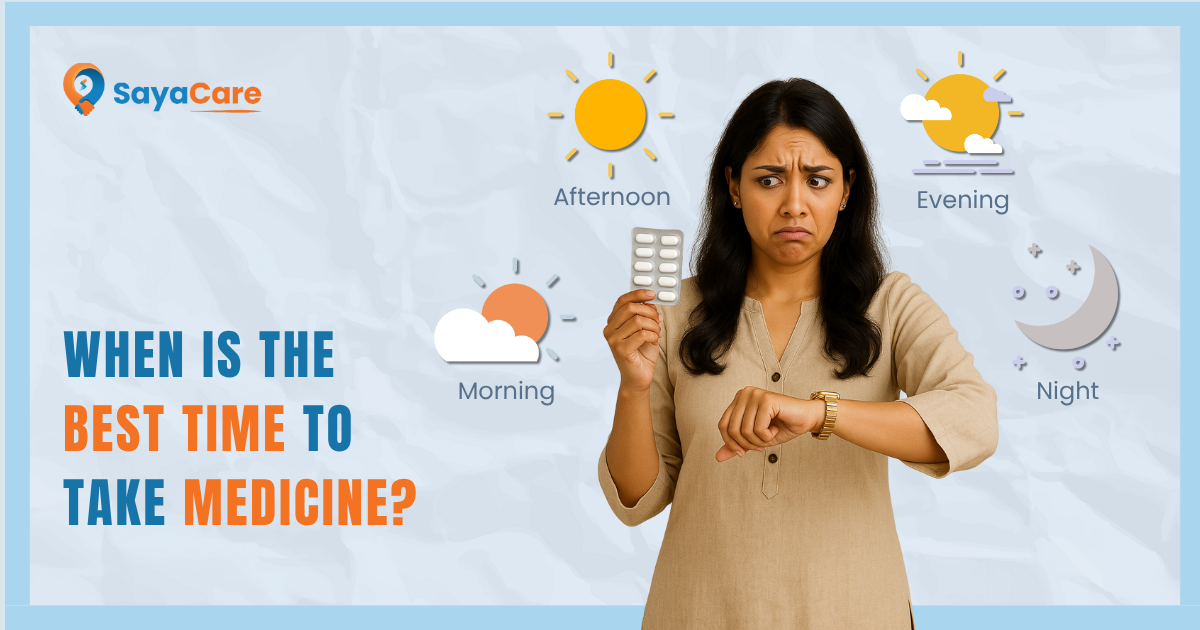
Many people overlook that the timing of medication can be just as important as the medicine itself. Our bodies follow a natural circadian rhythm that influences how we respond to drugs. This article explores why syncing your medicine with your internal clock can boost effectiveness and improve health outcomes. Learn how different diseases and medications behave across the day and why most prescriptions still ignore this timing. Backed by insights from doctors and science, this piece shows how better timing could be the next big shift in healthcare.
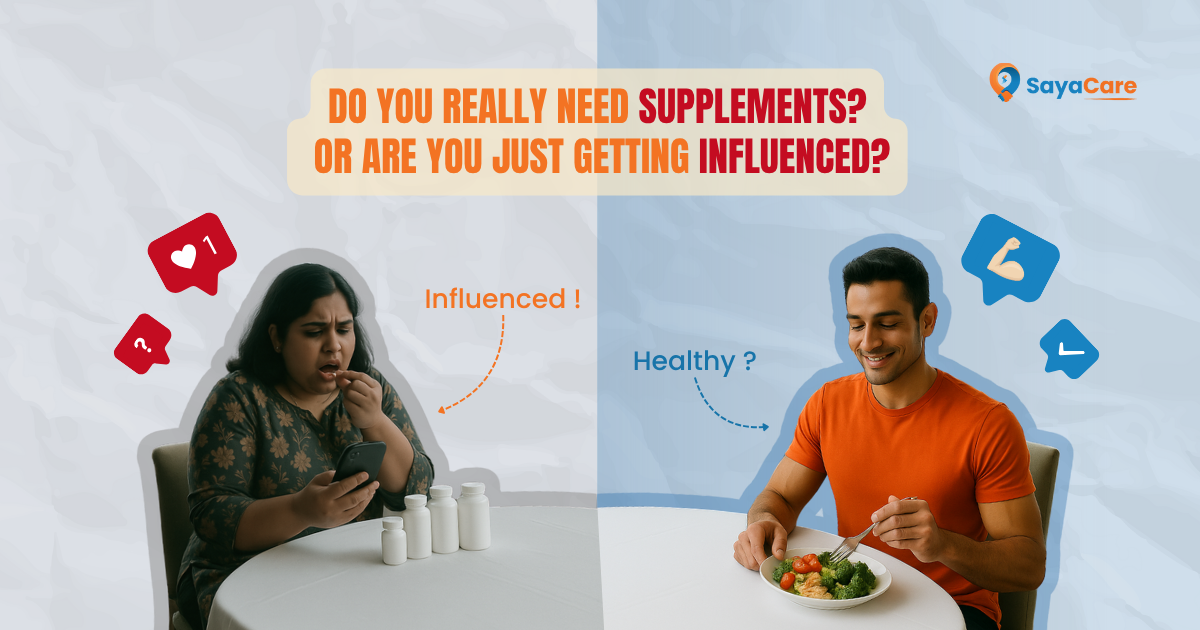
Are you popping supplements just because an influencer said so. You are not alone but you might be at risk. In this eye-opening blog, we explore how self-medication with supplements, without medical guidance, is becoming a silent health hazard in India. Backed by insights from doctors and real-life experiences, we break down the types of supplements, the risks of overuse, and compares weak Indian regulatory system with global standards. If you are looking for clarity (not hype) on what your body truly needs, this guide is a must-read.
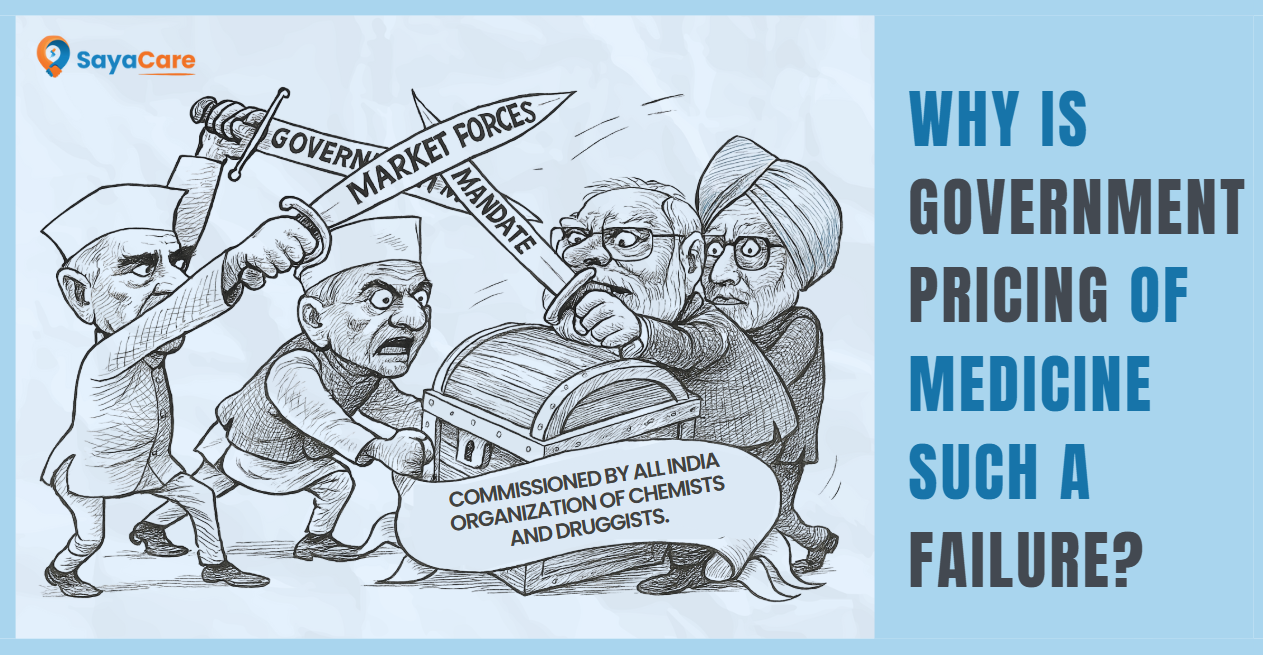
As a trained economist who runs an E-pharmacy the National Pharmaceutical Pricing Authority (NPPA) of India is an example of how government institutions can legitimize the worst tendencies of the free market. In this blog, I will establish a few key points If you are interested in public-policy and pharmaceuticals, then this blog is for
Why is Government Pricing of Medicine Such a Failure?Read More »
Despite being called goddesses women face systemic neglect in medicine. From overlooked side effects to underrepresentation in clinical trials this blog exposes the hidden gender bias in healthcare and why it is time women speak up and demand better.
Narrow therapeutic index (NTI) drugs walk a fine line, just like adding the perfect amount of spice to your favorite dish. A little too much, and the result can be harmful; too little, and it might not work at all. Medications like digoxin and warfarin require exact dosing and careful monitoring because even small changes can lead to serious side effects. In this blog, we break down what NTI drugs are, why they need special care, and how thoughtful practices – from regular check-ups to reliable sources like SayaCare – can make all the difference in using these powerful medicines safely.